Interventional Pain Management
Finding the source of the pain.Building a plan around you.
Book an Appointment

Our Approach
A thoughtful approach to chronic pain
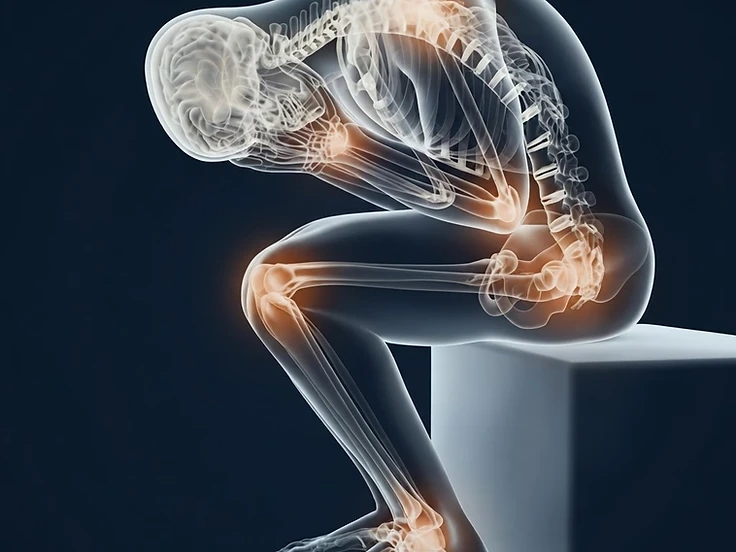
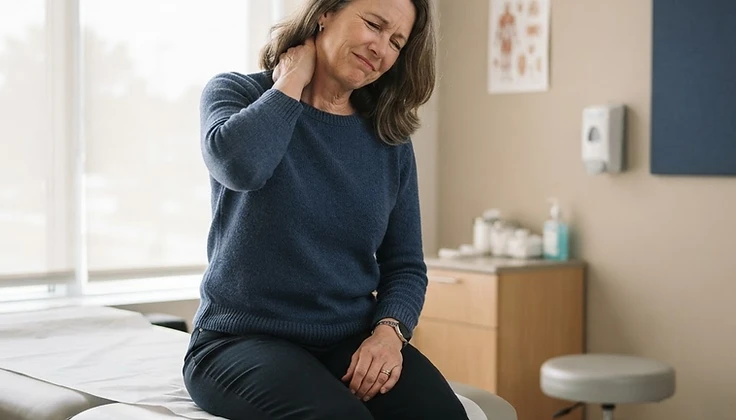
Most people living with chronic pain have already tried medications, physical therapy, or injections without lasting relief. Effective pain management requires identifying the source of pain and selecting treatments that address the underlying condition while improving function and quality of life.
Dr. Michael Ghermezi is a fellowship-trained interventional pain physician who develops individualized treatment plans for patients with spine, nerve, joint, and musculoskeletal pain. His approach emphasizes evidence-based care, minimally invasive procedures when appropriate, and collaboration with each patient's referring physicians.
Whether pain is caused by arthritis, disc disease, spinal stenosis, nerve compression, vertebral compression fractures, or a prior spine surgery, treatment begins with a careful evaluation rather than a one-size-fits-all approach.
Conditions Treated
Comprehensive evaluation of spine, nerve, and joint pain
Dr. Michael Ghermezi provides comprehensive evaluation and treatment for a wide range of acute and chronic pain conditions affecting the spine, nerves, joints, and musculoskeletal system. Each treatment plan begins with identifying the underlying source of pain through a detailed history, physical examination, and review of diagnostic imaging when available. Treatment recommendations are individualized based on each patient's diagnosis, goals, and functional needs.
Chronic neck and back pain are among the most common reasons patients seek evaluation from a pain management specialist. Pain may develop from a variety of conditions affecting the spine, including degenerative changes, disc problems, arthritis, injuries, and disorders involving the muscles and supporting structures around the spine.
Persistent spine pain can interfere with everyday activities, work, exercise, sleep, and overall quality of life. Because many conditions can produce similar symptoms, identifying the true source of pain is an important first step in developing an effective treatment plan.
Dr. Ghermezi evaluates each patient's symptoms in the context of their medical history, physical examination findings, and available imaging studies to determine the most appropriate approach for managing chronic neck and back pain. Learn more about the common causes of chronic low back pain and factors that may contribute to ongoing symptoms.
Sciatica refers to pain caused by irritation or compression of nerves originating from the lower spine. Patients often describe symptoms that travel from the lower back into the buttock, thigh, calf, or foot. Symptoms may include sharp or shooting pain, numbness, tingling, or weakness.
Lumbar radiculopathy occurs when one or more nerve roots in the lower spine become irritated or compressed. Common causes include herniated discs, degenerative changes of the spine, and narrowing around the spinal nerves. Because many conditions can cause similar symptoms, a careful evaluation is necessary to determine the underlying cause.
Dr. Ghermezi considers the location and pattern of symptoms, physical examination findings, and diagnostic imaging when developing an individualized treatment approach for patients with sciatica and lumbar radiculopathy.
A herniated disc occurs when the inner portion of a spinal disc extends through a weakened area of the outer disc layer. Depending on the location of the herniation, it may irritate nearby nerves and cause pain in the neck, back, arms, or legs.
Symptoms of a herniated disc may include localized spine pain, radiating extremity pain, numbness, tingling, or weakness. The severity of symptoms can vary significantly between patients, and imaging findings must be interpreted in the context of a patient's clinical presentation.
Many disc-related conditions improve with time and appropriate conservative care. However, patients with persistent or worsening symptoms may benefit from evaluation by a pain management specialist to better understand their diagnosis and available treatment options.
Degenerative disc disease refers to age-related or progressive changes affecting the spinal discs, which act as cushions between the vertebrae. Over time, discs may lose hydration, height, and elasticity, potentially contributing to chronic neck or back pain.
Although degenerative changes are common as people age, imaging findings do not always directly correlate with symptoms. Some individuals may have significant degenerative changes without pain, while others may experience substantial discomfort from relatively mild findings.
Dr. Ghermezi evaluates degenerative disc disease by considering a patient's symptoms, examination findings, imaging studies, and functional limitations. Treatment recommendations are individualized based on the specific cause of pain and each patient's goals.
Spinal stenosis occurs when narrowing of the spinal canal places pressure on the spinal cord or nerve roots. It most commonly develops due to age-related changes such as arthritis, disc degeneration, and thickening of supporting spinal structures.
Patients with spinal stenosis may experience back or neck pain, numbness, tingling, weakness, or discomfort that worsens with standing or walking. Lumbar spinal stenosis may cause symptoms in the legs, while cervical spinal stenosis can affect the arms, hands, or balance.
Because symptoms can vary depending on the location and severity of narrowing, proper diagnosis is essential. Dr. Ghermezi uses a comprehensive approach to evaluate spinal stenosis and determine the most appropriate treatment strategy.
Facet joints are small joints located between the vertebrae that provide stability and allow movement of the spine. Like other joints in the body, facet joints can develop arthritis, inflammation, or degenerative changes that contribute to chronic neck or back pain.
Facet-related pain is often described as localized discomfort that worsens with activities such as bending backward, twisting, or prolonged standing. Symptoms may overlap with other spine conditions, making accurate diagnosis important.
Dr. Ghermezi evaluates whether facet joints may be contributing to a patient's symptoms by considering their pain pattern, examination findings, and overall clinical presentation. Understanding the source of pain allows for a more targeted and individualized treatment approach.
Pain involving the joints and surrounding musculoskeletal structures can develop from arthritis, injury, inflammation, overuse, or degenerative changes. These conditions may affect the spine, pelvis, shoulders, hips, knees, and other areas of the body, leading to pain, stiffness, reduced mobility, and difficulty performing daily activities.
The sacroiliac joints, which connect the lower spine to the pelvis, can be a source of persistent lower back and buttock pain. Other joints and soft tissues may also contribute to chronic pain due to conditions such as osteoarthritis, tendon irritation, or previous injury.
Because joint-related pain can overlap with other sources of discomfort, an accurate diagnosis is an important part of developing an effective treatment plan. Dr. Ghermezi evaluates each patient's symptoms, physical examination findings, medical history, and imaging studies when appropriate to determine the underlying source of pain. Treatment recommendations are individualized based on the specific joint or musculoskeletal condition, with the goal of reducing pain, improving mobility, and restoring function.
Complex Regional Pain Syndrome (CRPS) is a chronic pain condition that may develop after an injury, surgery, or nerve-related event. It is characterized by pain that is often disproportionate to the original injury and may involve changes in sensation, swelling, temperature, skin color, and movement.
CRPS can significantly impact daily activities and quality of life. Symptoms may include severe sensitivity to touch, burning pain, stiffness, and difficulty using the affected extremity.
Because CRPS involves complex changes in the nervous system, treatment often requires a multidisciplinary approach focused on reducing pain, improving function, and helping patients return to meaningful activities.
Peripheral neuropathy occurs when nerves outside of the brain and spinal cord become damaged or irritated. This condition may result from diabetes, chemotherapy, nerve injuries, infections, or other medical conditions.
Patients with peripheral neuropathy may experience burning pain, tingling, numbness, sensitivity to touch, or changes in sensation affecting the hands, feet, or other areas of the body.
A comprehensive evaluation is important to determine the underlying cause of nerve pain and develop an appropriate treatment plan. Dr. Ghermezi evaluates each patient's symptoms and medical history to identify strategies aimed at improving comfort and function.
Advanced Interventional Pain Procedures
Minimally invasive, image-guided treatments
Dr. Michael Ghermezi offers a variety of minimally invasive interventional pain procedures designed to diagnose and treat specific sources of chronic pain. These treatments are performed using image guidance when appropriate to improve accuracy and safety. Each procedure is recommended only after a comprehensive evaluation to determine whether it aligns with the patient's diagnosis, symptoms, and treatment goals.
Epidural steroid injections are minimally invasive procedures used to help diagnose and treat pain caused by irritation or inflammation of spinal nerves. They are commonly considered for conditions such as lumbar radiculopathy, cervical radiculopathy, sciatica, herniated discs, and spinal stenosis.
During the procedure, medication is carefully delivered into the epidural space surrounding the spinal nerves to reduce inflammation and help relieve symptoms. Fluoroscopic (X-ray) guidance is commonly used to ensure accurate placement of the medication and improve procedural safety.
The goal of an epidural steroid injection is to decrease pain and improve function, allowing patients to participate more effectively in rehabilitation, physical therapy, and other aspects of their overall treatment plan.
Diagnostic medial branch blocks are minimally invasive procedures used to determine whether the small nerves that supply the facet joints of the spine are contributing to a patient's neck or back pain. Facet joint pain can be challenging to diagnose because symptoms may overlap with other spinal conditions.
During a medial branch block, targeted nerves are temporarily numbed to help determine whether the facet joints are a significant source of pain. For patients who experience meaningful improvement following diagnostic blocks, additional treatment options may be considered to provide longer-lasting relief.
These procedures play an important role in accurately identifying pain generators and developing a targeted treatment plan.
Radiofrequency ablation (RFA) is a minimally invasive procedure used to treat chronic pain originating from specific nerves that transmit pain signals from the joints of the spine. It is most commonly performed for facet-mediated neck and back pain associated with arthritis and degenerative changes of the facet joints.
Before considering radiofrequency ablation, diagnostic medial branch blocks may be performed to help determine whether the facet joints are contributing to a patient's symptoms. For appropriately selected patients, radiofrequency ablation uses controlled heat energy to reduce pain signals from these targeted nerves.
By reducing pain originating from affected spinal joints, radiofrequency ablation may help improve mobility, activity levels, and quality of life for patients with confirmed facet-related pain.
The joints and soft tissues throughout the body can become sources of chronic pain due to arthritis, injury, inflammation, or degenerative changes. Interventional injections may be used both diagnostically and therapeutically to help identify pain sources and provide symptom relief.
Sacroiliac joint injections may be considered for patients experiencing pain originating from the joint connecting the spine and pelvis. Other musculoskeletal injections may include selected joints such as the hip, shoulder, or knee when clinically appropriate.
These procedures are performed as part of a comprehensive treatment approach that may also include rehabilitation, activity modification, and other therapies designed to improve function and quality of life.
Sympathetic nerve blocks are specialized procedures used to evaluate and treat certain types of chronic pain involving the sympathetic nervous system. They may be considered for selected patients with conditions such as complex regional pain syndrome (CRPS) or other sympathetically mediated pain disorders.
By temporarily reducing activity within specific sympathetic nerves, these procedures may help decrease pain and improve function in carefully selected patients.
As with all interventional pain procedures, treatment decisions are individualized based on the patient's diagnosis, symptoms, previous treatments, and overall goals.
Spinal cord stimulation is an advanced neuromodulation therapy used to treat certain types of chronic pain involving the nervous system. It is commonly considered for patients with persistent pain after spine surgery, chronic neuropathic pain, and other conditions where traditional treatments have not provided sufficient relief.
This therapy involves placement of small electrodes near the spinal cord that deliver mild electrical signals designed to alter pain processing pathways. Before permanent implantation, appropriate candidates typically undergo a temporary trial period to evaluate whether spinal cord stimulation provides meaningful improvement.
Patient selection is an important part of spinal cord stimulation therapy. Dr. Ghermezi carefully evaluates each patient's diagnosis, previous treatments, functional goals, and overall health to determine whether this advanced treatment option may be appropriate.
Peripheral nerve stimulation is an advanced treatment option that targets specific peripheral nerves involved in chronic pain. Unlike spinal cord stimulation, which focuses on pain pathways near the spinal cord, peripheral nerve stimulation is directed toward individual nerves outside of the spine.
This therapy may be considered for selected patients with chronic nerve-related pain or localized pain conditions that have not improved adequately with other treatment approaches. Peripheral nerve stimulation uses a small implanted device to deliver electrical stimulation near the affected nerve with the goal of reducing pain signals and improving function.
A comprehensive evaluation is performed to determine whether this treatment aligns with each patient's condition and goals.
Endoscopic laser discectomy is an advanced minimally invasive procedure used to treat selected spinal conditions caused by a herniated or displaced disc that is compressing a spinal nerve.
Using specialized endoscopic and laser technology, the procedure provides direct visualization of the affected spinal structures while allowing targeted removal or reduction of disc material responsible for nerve compression. The combination of endoscopic visualization and laser technology is designed to precisely address the source of nerve-related pain while minimizing disruption to surrounding tissues.
With no traditional surgical incision, patients may experience a significantly shorter recovery and return to normal activities more quickly than with conventional spine surgery.
Learn More About Pain Management
Explore our Patient Education articles for information about common pain conditions and treatments, or visit our Frequently Asked Questions page for answers to common questions about interventional pain management.
Procedures in Practice
See Dr. Ghermezi's interventional work
A selection of procedures shared from Dr. Ghermezi's clinical practice.
Why Choose Dr. Michael Ghermezi
A specialist for patients who have not found relief
Choosing the right pain specialist is an important decision, especially for patients who have been living with chronic pain or have not found relief with previous treatments. Dr. Michael Ghermezi provides comprehensive interventional pain care focused on identifying the underlying source of pain and developing individualized treatment plans designed around each patient's goals, diagnosis, and lifestyle.
With advanced training in interventional pain medicine, Dr. Ghermezi combines evidence-based treatments, minimally invasive procedures, and a thorough understanding of spine and musculoskeletal conditions to help patients improve function and quality of life.
Fellowship-Trained Interventional Pain Physician
Dr. Michael Ghermezi is a fellowship-trained interventional pain physician with specialized training in the diagnosis and treatment of complex pain conditions. He completed advanced fellowship training in pain medicine at Cedars-Sinai Medical Center, gaining experience in the evaluation and management of a broad range of spine, nerve, and musculoskeletal pain disorders. His background also includes residency training at Harbor-UCLA Medical Center and graduate education at Columbia University, providing a strong foundation in evidence-based medicine, comprehensive patient evaluation, and multidisciplinary care.
Personalized, Patient-Centered Treatment Approach
Chronic pain is different for every patient. The same diagnosis can affect individuals in very different ways depending on their medical history, lifestyle, activity level, and personal goals. Dr. Ghermezi takes a comprehensive approach to pain management by carefully evaluating each patient's symptoms, reviewing relevant imaging studies, and considering previous treatments before developing a personalized care plan. The goal is not simply to reduce pain, but to help patients regain function, return to meaningful activities, and improve their overall quality of life through an individualized treatment strategy.
Advanced Image-Guided Procedures
Many interventional pain procedures require precision and careful anatomical understanding. Dr. Ghermezi utilizes advanced image-guided techniques, including fluoroscopic guidance when appropriate, to improve procedural accuracy and safety. These minimally invasive procedures may help appropriately selected patients manage pain originating from the spine, nerves, joints, and other musculoskeletal structures. Each procedure is recommended only after determining that it aligns with the patient's specific diagnosis and treatment goals.
Evidence-Based and Multidisciplinary Care
Effective pain management often involves more than a single treatment. Dr. Ghermezi believes in combining interventional procedures with comprehensive medical evaluation, rehabilitation strategies, and collaboration with other healthcare providers when appropriate. By integrating evidence-based treatments with a patient-centered approach, the focus remains on improving function, reducing limitations caused by pain, and helping patients achieve meaningful long-term outcomes.
What to Expect During Your Visit
A comprehensive, step-by-step evaluation
A visit with an interventional pain specialist begins with understanding the source of your pain and how it affects your daily life. Dr. Michael Ghermezi takes a comprehensive approach to evaluating each patient, combining a detailed medical history, physical examination, review of prior treatments, and diagnostic studies when available. The goal of the initial evaluation is to identify the underlying cause of pain and develop a treatment strategy tailored to each patient's condition, needs, and personal goals.
Comprehensive Evaluation and Medical History Review
During your initial consultation, Dr. Ghermezi will review your symptoms, medical history, previous treatments, and how pain affects your daily activities. Understanding the pattern, severity, and impact of your pain helps provide important information when determining the possible sources of your symptoms. Patients are encouraged to bring relevant medical records, imaging studies, medication lists, and information about previous treatments they have tried. This allows for a more complete understanding of your condition and helps guide the evaluation process.
Physical Examination and Diagnostic Review
A thorough physical examination is an important part of identifying the source of pain. Dr. Ghermezi evaluates factors such as range of motion, strength, sensation, functional limitations, and other findings that may help determine the cause of symptoms. When available, diagnostic studies such as MRI, CT scans, X-rays, and previous medical records may be reviewed to better understand the underlying condition. Imaging findings are considered together with the patient's symptoms and examination findings, as abnormalities on imaging do not always directly correlate with pain.
Developing a Personalized Treatment Plan
After completing a comprehensive evaluation, Dr. Ghermezi works with each patient to develop an individualized treatment plan. Recommendations may include conservative approaches, interventional procedures, rehabilitation strategies, or coordination with other healthcare providers when appropriate. Treatment decisions are based on the patient's diagnosis, goals, preferences, and overall health. The focus is on helping patients reduce pain, improve function, and return to activities that are important to them.
Each procedure is performed with a focus on precision, safety, and evidence-based care, using individualized treatment plans designed to reduce pain, restore function, and improve quality of life.
Begin Your Care
Ready to take the next step?
Schedule a consultation with Dr. Michael Ghermezi, MD and begin a personalized plan to reduce pain and restore function.
Book an Appointment